
Why Proper Concrete Surface Preparation Is Essential to Flooring Success
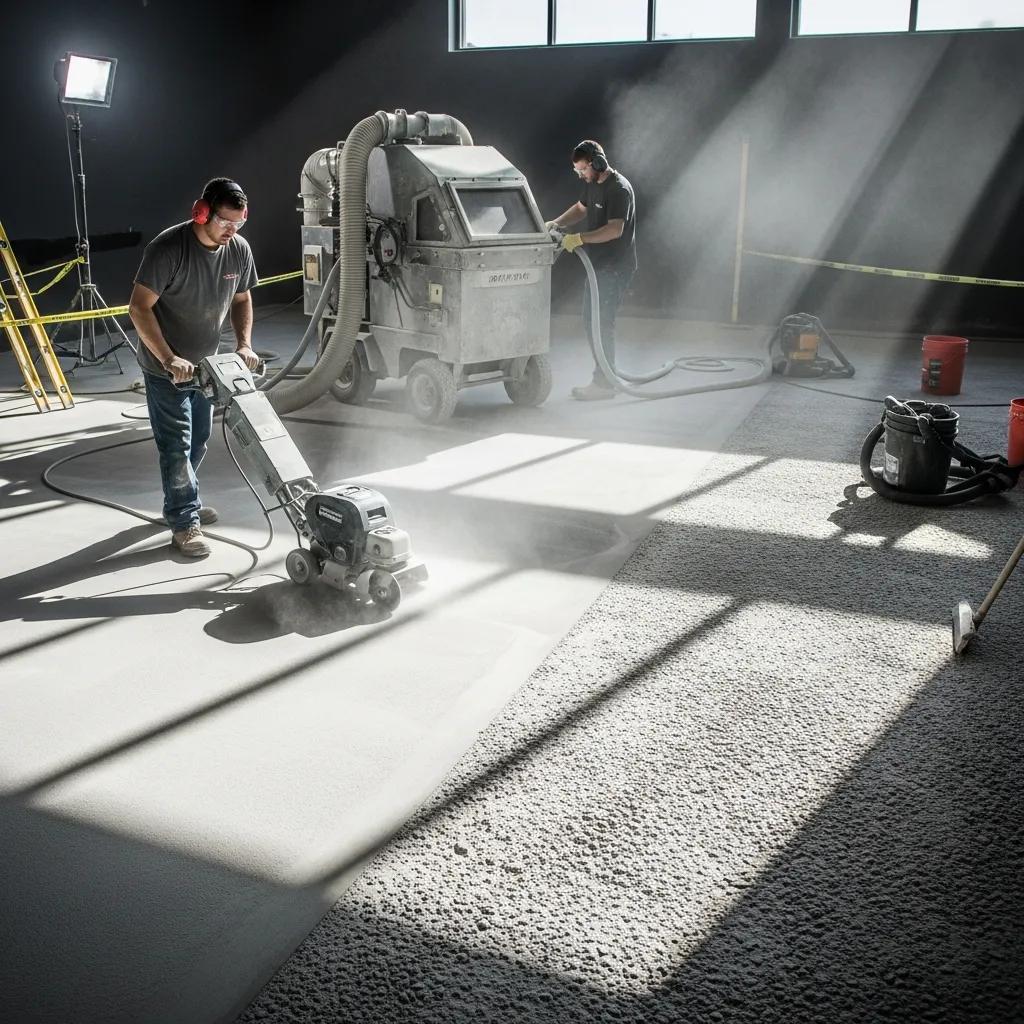
Preparing concrete correctly is one of the best investments you can make for long-lasting, trouble-free floors. The right surface prep improves adhesive bonding, stops problems like cracking and peeling before they start, and reduces the risk of moisture-related damage. Below we’ll explain why surface preparation matters, the benefits of doing it right, and the costs of skipping it. We’ll also show how OKC SURFACE PREP partners with contractors and property owners to deliver reliable, buildable surfaces for any flooring system.
What Are the Key Benefits of Professional Concrete Floor Preparation?
Hiring a pro to prepare your concrete brings measurable gains for performance and lifespan of the floor.
- Improved Adhesion: Proper prep creates the right texture and profile so adhesives can form a strong, lasting bond. That bite between material and slab is what prevents delamination.
- Fewer Common Failures: Correct profiling and cleaning remove weak layers and contaminants that lead to cracking, peeling, and moisture problems—so the finished floor performs as intended.
- Longer Service Life: A well-prepared concrete surface reduces repairs and replacements down the line, saving time and money over the life of the floor.
OKC SURFACE PREP provides targeted surface prep solutions for each job—from light profiling to aggressive remediation—so your chosen flooring and coatings have the foundation they need.
How Does Proper Surface Prep Enhance Flooring Adhesion and Longevity?
Good surface prep gives adhesives something to grip. By opening and texturing the slab, adhesives spread and stick consistently across the substrate preparation. That matters most for common finishes—vinyl, tile, carpet and adhesive-based coatings—that rely on a secure bond to avoid lifting, curling, or early failure. Simply put: a clean, correctly profiled slab spreads loads evenly and reduces the chance of premature repairs.
What Common Flooring Issues Are Prevented by Correct Concrete Profiling?
Correct profiling addresses several recurring problems:
- Cracking and Peeling: When the substrate isn’t prepared, adhesives and coatings don’t bond properly—leading to cracks and peeling over time.
- Moisture-Related Damage: Proper prep reduces pathways for moisture to compromise adhesives and promote mold or deterioration.
- Uneven Wear: Profiled and leveled concrete ensures even contact with the flooring so traffic doesn’t cause localized failure or premature wear.
Addressing these issues during preparation helps deliver a more durable, predictable finished floor.
How Do Concrete Surface Profile Standards Impact Flooring Performance?
Concrete surface profile (CSP) standards define the texture of the slab and directly influence how well adhesives and coatings will perform. Choosing the right CSP helps avoid both under- and over-profiling for a given flooring system.
What Is a Concrete Surface Profile and Why Is It Important?
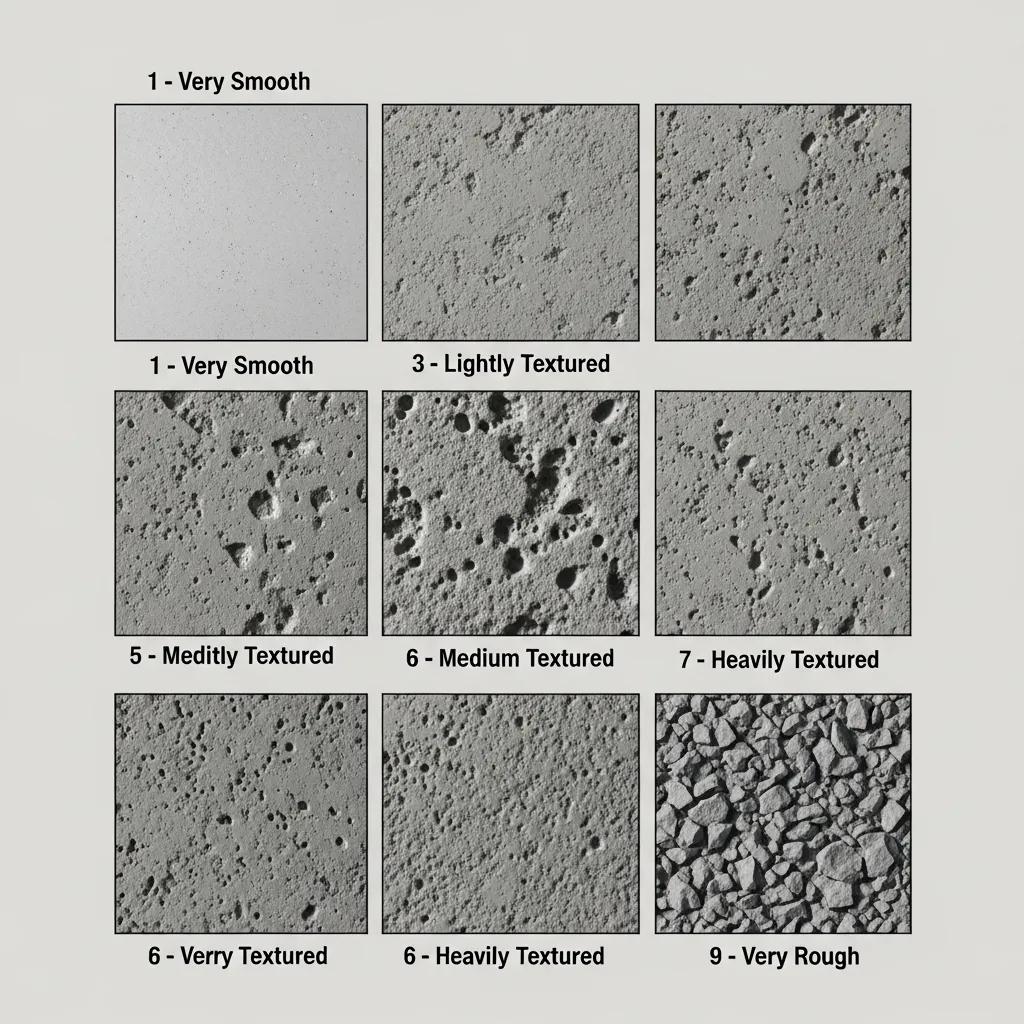
A concrete surface profile (CSP) measures the surface texture of a concrete slab—typically on a scale from 1 to 10. The CSP determines how well adhesives and toppings can mechanically bond to the concrete. Too smooth and adhesives won’t stick; too rough and you can create voids or uneven coverage. The right CSP produces consistent adhesion and predictable performance.
How Do ICRI Guidelines Define Proper CSP Levels for Different Flooring Types?
The International Concrete Repair Institute (ICRI) provides practical CSP recommendations for common finishes. Examples include:
- CSP 1–2: Best for thin coatings and sealers where minimal texture is required.
- CSP 3–4: A common target for most flooring adhesives—balanced texture that supports good bond strength.
- CSP 5–6: Used for heavy-duty systems where a more aggressive profile improves mechanical keying.
Following these guidelines helps ensure the installed floor performs as specified and reduces the likelihood of failures.
Which Professional Concrete Grinding Services Ensure Optimal Flooring Foundations?
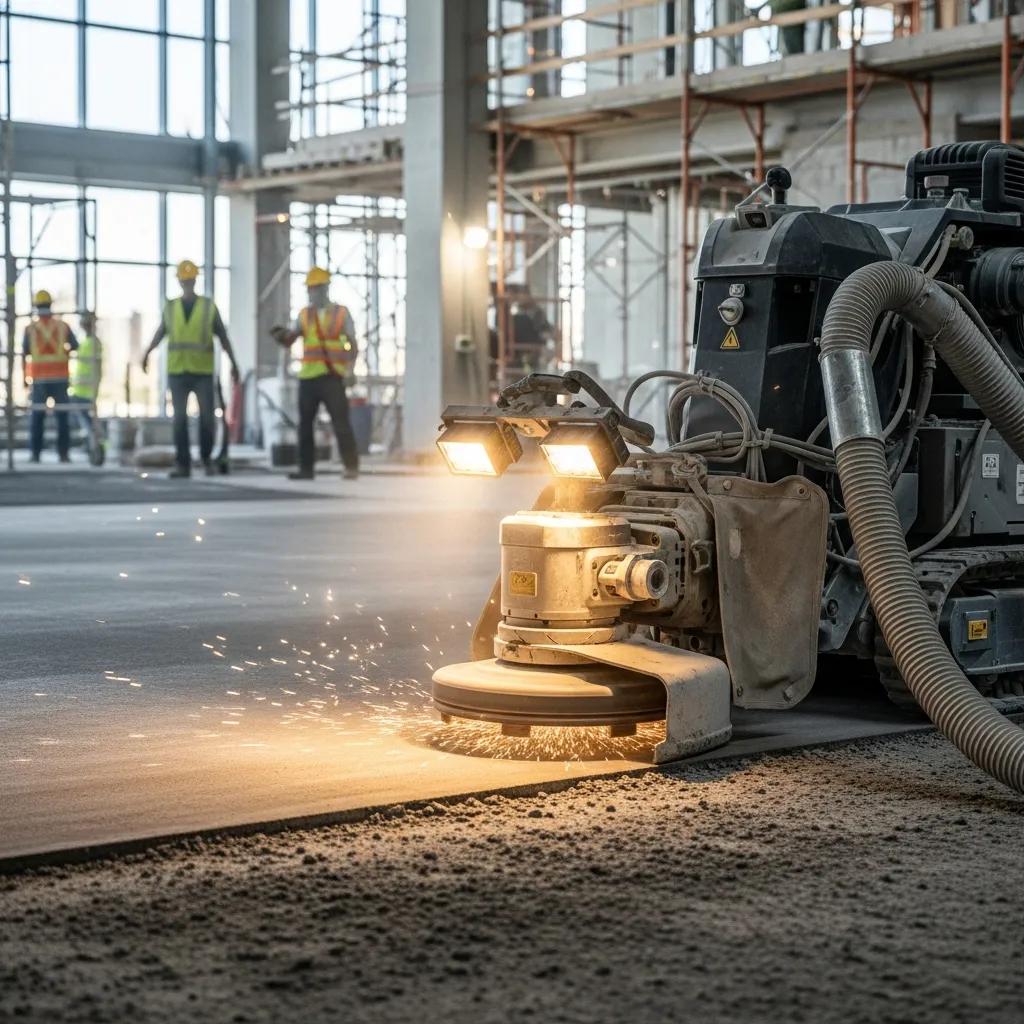
Professional surface preparation uses several proven methods to get the slab ready for flooring or coatings.
- Diamond Grinding: Uses diamond tooling to level and smooth the slab, remove minor imperfections, and produce a controlled profile—ideal for thin toppings and polish-ready surfaces.
- Shot Blasting: Propels steel shot across the surface to quickly remove coatings and contaminants while producing a more aggressive profile for strong mechanical bonding.
- Scarifying: Employs cutting drums to strip away surface material and create a coarse texture when heavy remediation is needed.
What Are the Differences Between Diamond Grinding and Shot Blasting Techniques?
Both methods work, but they’re suited to different jobs:
- Diamond Grinding: Leaves a smoother finish, removes thin layers, and generates less airborne material—great for leveling and preparing slabs for thin systems.
- Shot Blasting: Produces a rougher profile and is efficient at removing old coatings and contaminants—best when a stronger mechanical key is required.
How Does Trip Hazard Removal and ADA Compliance Affect Flooring Safety?
Eliminating trip hazards and meeting ADA thresholds are critical for safety and accessibility. Proper grinding and profiling remove abrupt level changes and provide a consistent walking surface. That reduces liability and ensures floors are safe and accessible for everyone who uses the space.
What Risks and Costs Are Associated with Improper Concrete Surface Preparation?
Skipping or under-performing surface prep creates real exposure—both in repair costs and in potential safety or operational impacts.
- Financial Consequences: Initial savings from cutting corners can be erased by costly repairs, rework, and downtime when a floor fails prematurely.
- Safety and Structural Concerns: Poor preparation can undermine the integrity of the flooring system, creating hazards and potential liability for property owners.
How Does Poor Surface Prep Lead to Flooring Delamination and Failure?
Poor prep leaves dust, laitance, or moisture barriers that prevent adhesives from forming a full bond. When that bond breaks down, flooring delaminates—pulling away from the slab and requiring expensive repair or replacement. Contaminants and trapped moisture are common culprits.
What Are the Financial Implications of Skipping Proper Concrete Profiling?
Skipping profiling often results in hidden costs: repairs, material replacement, labor for reinstallation, and lost use of the space. For businesses, those disruptions can translate to lost revenue. Investing in correct profiling up front minimizes those downstream expenses.
How Does OKC SURFACE PREP Deliver Superior Concrete Surface Preparation in Oklahoma City?
At OKC SURFACE PREP, we focus on practical, code-aware surface prep that sets flooring installations up to perform. Our crews match the method and profile to the flooring system, site conditions, and project timeline.
What Specialized Equipment and Techniques Does OKC SURFACE PREP Use?
We use industry-standard equipment—diamond grinders, shot blasters, and scarifiers—combined with testing and experience to deliver the right profile, clean substrate, and consistent results. Our approach prioritizes durability, safety, and compliance with project specifications.
How Can Flooring Contractors Request a Technical Estimate for Their Projects?
Flooring contractors can request a technical estimate by contacting OKC SURFACE PREP directly. We provide on-site assessments, documented recommendations, and clear scopes so you can plan accurately and move forward with confidence.
Frequently Asked Questions
What are the signs that concrete surface preparation is inadequate?
Common signs include visible cracks, peeling or lifting flooring, and uneven areas. You might also see moisture staining or mold growth—both indicators of poor substrate prep. If materials lift or curl shortly after installation, that’s a strong signal the surface wasn’t prepared correctly. Regular inspections catch these issues early so they can be corrected before major repairs are needed.
How often should concrete surfaces be prepared before flooring installation?
Prepare the concrete each time you install new flooring—especially after removing old finishes. Even seemingly intact slabs can have contaminants, dust, or moisture issues that affect adhesion. For high-traffic or moisture-prone areas, inspect periodically and prepare as needed to maintain a reliable substrate preparation.
Can I perform concrete surface preparation myself, or should I hire a professional?
Some small projects can be handled by experienced DIYers, but professionals bring the right equipment, testing, and knowledge of standards. That expertise reduces the chance of costly mistakes and ensures the surface meets the requirements for the specified flooring system.
What types of flooring benefit most from proper concrete surface preparation?
Almost all flooring benefits from proper prep, but vinyl, tile, carpet, epoxy coatings, and polished concrete are especially dependent on a well-prepared substrate. These finishes require reliable adhesion and consistent profiles to perform correctly.
What is the role of moisture testing in concrete surface preparation?
Moisture testing is crucial because excessive moisture undermines adhesive bonds and can cause mold or delamination. Measuring moisture before installation identifies potential problems and guides mitigation—so you don’t install a floor over a failing substrate.
How can I ensure compliance with ADA regulations during flooring installation?
Ensure ADA compliance by addressing level changes and trip hazards during surface preparation, and by selecting flooring materials that meet accessibility and slip-resistance requirements. Working with professionals familiar with ADA standards helps make sure your finished floor is both safe and compliant.
Conclusion
Proper concrete surface preparation is the foundation of a reliable, long-lasting floor. Investing in professional prep reduces failures, protects your budget, and ensures safety and performance. If you want a dependable start for your next project, reach out to OKC SURFACE PREP—we’ll help you get the slab right the first time.